Tokyo Travel Tips: How to Plan the Perfect Japan Vacation
Tokyo Travel Tips: How to Plan the Perfect Japan Vacation
Planning a trip to Tokyo, Japan, can feel overwhelming because the city offers an incredible number of attractions, neighborhoods, restaurants, shopping districts, cultural experiences, and day-trip opportunities. With the right planning, however, you can enjoy Tokyo comfortably while experiencing both its traditional and modern sides.
This Tokyo travel tips guide covers everything first-time visitors need to know, including transportation, where to stay, what to eat, cultural etiquette, budgeting, the best time to visit, popular neighborhoods, shopping, day trips, and practical advice for a smooth Japan vacation.
Why Tokyo Should Be on Your Japan Itinerary
Tokyo is a destination unlike any other. Ancient temples and peaceful gardens exist alongside futuristic buildings, massive shopping centers, colorful entertainment districts, and some of the world's most efficient transportation systems.
Whether you are interested in Japanese culture, food, technology, anime, shopping, history, photography, or nightlife, Tokyo offers something for almost every type of traveler.
- Explore historic temples and shrines
- Experience modern Japanese culture
- Try authentic Japanese cuisine
- Visit famous neighborhoods
- Enjoy world-class shopping
- Discover peaceful gardens and parks
- Experience Tokyo's nightlife
- Take scenic day trips
- Explore Japanese pop culture
- Enjoy spectacular city views
Best Time to Visit Tokyo
Tokyo can be visited throughout the year, but each season offers a different experience. Choosing the right time depends on your interests, budget, weather preferences, and tolerance for crowds.
Spring
Spring is one of the most popular seasons to visit Tokyo, especially during cherry blossom season. Parks, gardens, and streets can become exceptionally beautiful when the flowers are in bloom.
Cherry blossom timing changes each year, so travelers should check seasonal forecasts when planning a spring trip.
Summer
Summer brings festivals, outdoor events, greenery, and lively city activities. However, Tokyo can be hot and humid, so travelers should plan outdoor sightseeing carefully and stay hydrated.
Autumn
Autumn is an excellent season for sightseeing. Comfortable temperatures and colorful foliage make parks, gardens, temples, and outdoor attractions especially enjoyable.
Winter
Winter can be a good option for travelers who prefer cooler weather and potentially smaller crowds at some attractions. Tokyo's winter illuminations and seasonal food also create a unique atmosphere.
How Many Days Do You Need in Tokyo?
The ideal length of a Tokyo trip depends on how deeply you want to explore the city.
3 Days in Tokyo
Three days is enough for a first introduction to major areas such as Shibuya, Shinjuku, Asakusa, and Harajuku.
5 Days in Tokyo
Five days gives you more time for museums, shopping, food experiences, parks, cultural attractions, and additional neighborhoods.
7 Days in Tokyo
Seven days allows for a more relaxed itinerary with several neighborhoods, cultural experiences, shopping, food adventures, and a possible day trip.
Best Areas to Stay in Tokyo
Shinjuku
Shinjuku is one of the most convenient areas for first-time visitors. It offers excellent transportation connections, restaurants, shopping, entertainment, and accommodation choices.
Shibuya
Shibuya is ideal for travelers interested in fashion, nightlife, shopping, cafés, restaurants, and modern Tokyo culture.
Asakusa
Asakusa offers a more traditional atmosphere and is particularly suitable for visitors interested in temples, historic streets, and Japanese culture.
Ginza
Ginza is a sophisticated district known for luxury shopping, upscale hotels, fine dining, department stores, and central access.
Ueno
Ueno can be a practical choice for travelers who want convenient transportation, museums, parks, markets, and cultural attractions nearby.
Best Places to Visit in Tokyo
Senso-ji Temple
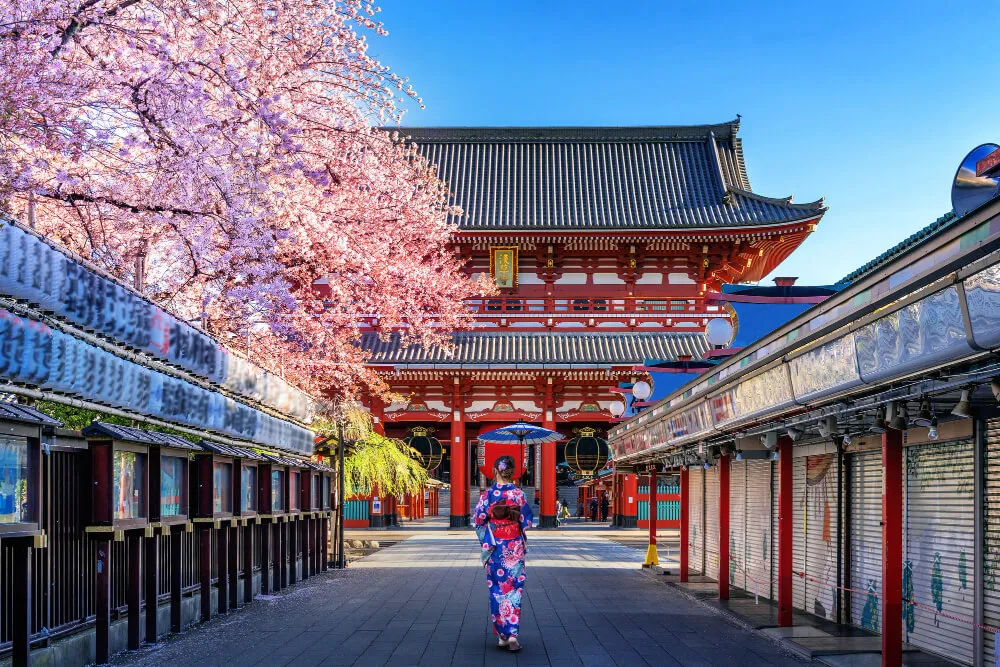
Senso-ji in Asakusa is one of Tokyo's most famous cultural attractions. Visitors can walk through Kaminarimon Gate, explore Nakamise-dori, and experience one of the city's most historic areas.
Shibuya Crossing
Shibuya Crossing is one of Tokyo's most recognizable landmarks. The surrounding district is filled with shopping, restaurants, entertainment venues, and modern architecture.
Meiji Shrine
Meiji Shrine provides a peaceful escape from the surrounding city. Its forested grounds and traditional architecture offer visitors an opportunity to experience an important part of Japanese culture.
Tokyo Skytree
Tokyo Skytree offers impressive panoramic views of the city. Visiting around sunset can provide both daytime and nighttime views when conditions are favorable.
Shinjuku
Shinjuku combines skyscrapers, shopping, restaurants, entertainment, nightlife, and major transportation connections.
Akihabara
Akihabara is a must-visit for travelers interested in anime, manga, video games, electronics, collectibles, and Japanese pop culture.
How to Get Around Tokyo
Transportation is one of Tokyo's biggest advantages. The city has an extensive network of trains, subway lines, buses, and taxis.
Trains and Subway
For most visitors, trains and subways are the most practical way to travel between major neighborhoods. They are especially useful for reaching attractions spread across the city.
Walking
Walking is highly recommended within individual neighborhoods. Some of Tokyo's best experiences can be found on smaller streets away from the major attractions.
Taxi
Taxis are useful for short trips, late-night transportation, or locations where public transportation is less convenient.
Tokyo Transportation Tips
- Allow extra time when changing trains at major stations.
- Follow signs carefully in large transportation hubs.
- Keep your travel card or ticket accessible.
- Avoid blocking entrances and exits on trains.
- Keep noise low when using public transportation.
- Check the route before leaving your hotel.
- Consider staying near a convenient train or subway station.
What to Eat in Tokyo
Food is one of the biggest reasons to visit Tokyo. The city offers everything from casual noodle shops to sophisticated restaurants and traditional Japanese dining experiences.
Sushi
Tokyo is an excellent place to try fresh sushi, with options ranging from casual restaurants to specialized sushi counters.
Ramen
Ramen is an affordable and satisfying meal that comes in many regional and restaurant-specific styles.
Tempura
Tempura features lightly battered and fried seafood or vegetables and is a classic Japanese dish worth trying during your trip.
Yakitori
Yakitori consists of grilled skewers and is commonly enjoyed at casual restaurants and izakaya.
Soba and Udon
Soba and udon are popular Japanese noodle dishes that can be enjoyed in restaurants throughout Tokyo.
Japanese Desserts
Try traditional sweets such as wagashi as well as modern Japanese desserts, matcha treats, and seasonal specialties.
Japanese Cultural Etiquette for Tourists
Understanding basic Japanese etiquette can make your trip more comfortable and respectful.
At Temples and Shrines
Follow posted instructions, remain respectful, and avoid disturbing people who are there for religious purposes.
On Public Transportation
Keep conversations quiet and avoid making phone calls in crowded train cars. Follow local signs and queueing practices.
In Restaurants
Follow the restaurant's instructions regarding seating, ordering, payment, and dining customs. Some smaller establishments may have specific rules for visitors.
Photography
Always check whether photography is permitted. Some temples, shrines, museums, shops, and restaurants may restrict photography.
Tokyo Shopping Guide
Shibuya
Shibuya is excellent for contemporary fashion, cosmetics, accessories, Japanese lifestyle products, and youth-oriented brands.
Harajuku
Harajuku is known for unique fashion, streetwear, accessories, cafés, and Japanese youth culture.
Ginza
Ginza is the place to explore luxury brands, premium department stores, sophisticated boutiques, and specialty shops.
Akihabara
Akihabara is ideal for electronics, gaming products, anime merchandise, manga, collectibles, and Japanese pop-culture souvenirs.
Asakusa
Asakusa is a great place to look for traditional Japanese souvenirs, crafts, snacks, and cultural gifts.
Best Free Things to Do in Tokyo
Tokyo does not have to be an expensive destination. Many memorable experiences are free or inexpensive.
- Walk through Shibuya Crossing
- Explore Meiji Shrine
- Walk around Asakusa
- Visit Senso-ji's surrounding area
- Explore Ueno Park
- Walk through Harajuku
- Explore local neighborhoods
- Visit public shopping streets
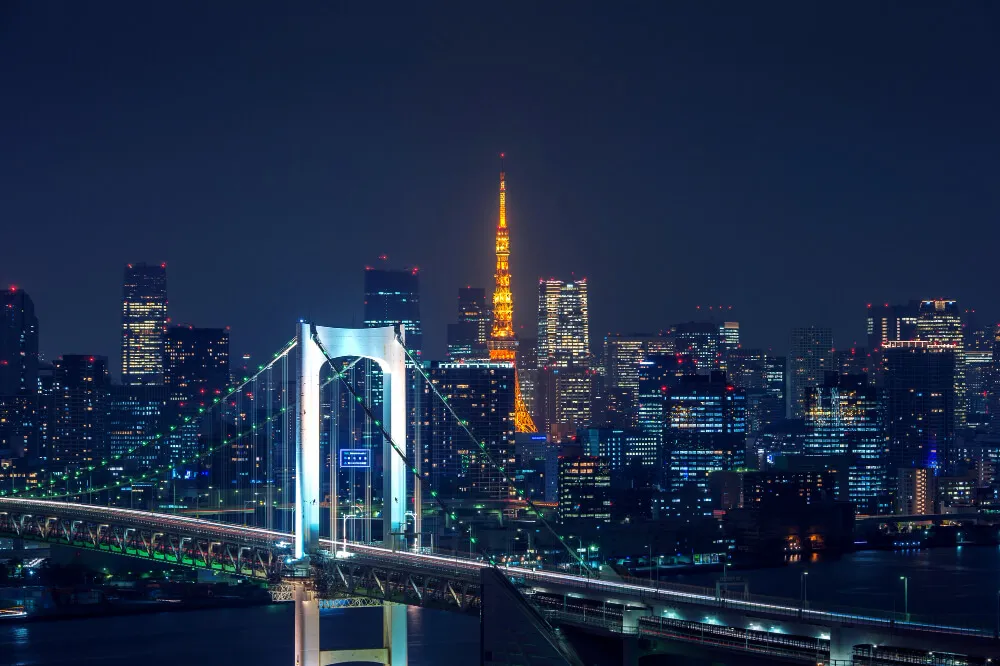
- Enjoy Tokyo's city lights
- Discover small temples and shrines
Tokyo on a Budget
Travelers can reduce costs by choosing affordable accommodation, eating at casual restaurants, using public transportation, and prioritizing free attractions.
Convenience stores and casual Japanese restaurants can also provide inexpensive meals. Planning attractions by neighborhood can reduce unnecessary transportation costs.
Tokyo for Families
Tokyo offers many attractions for families, including parks, museums, interactive entertainment, shopping centers, cultural attractions, and family-friendly restaurants.
Families should avoid packing too many attractions into a single day. A balanced schedule with sightseeing, meals, rest, and open space can make the experience much more enjoyable.
Tokyo for Couples
Tokyo can be an exciting destination for couples. Enjoy a Japanese dinner, explore illuminated neighborhoods, visit a peaceful garden, admire city views, or take a day trip together.
- Sunset city views
- Japanese garden walks
- Traditional dinner
- Evening walks in Shibuya
- Temple visits
- Café experiences
- Day trips outside Tokyo
Best Day Trips from Tokyo
Hakone
Hakone is popular for hot springs, mountain scenery, traditional experiences, and possible views of Mount Fuji when weather conditions are favorable.
Nikko
Nikko is known for historic temples and shrines surrounded by forests and mountain scenery.
Mount Fuji Area
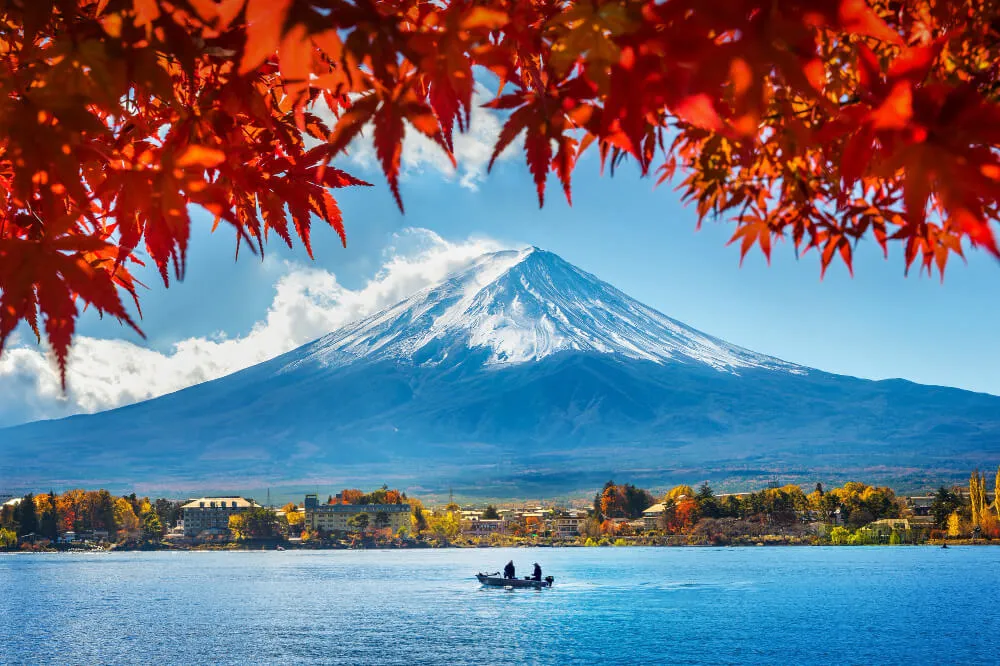
The Mount Fuji region offers beautiful landscapes, lakes, viewpoints, and opportunities to experience a different side of Japan.
Yokohama
Yokohama provides a convenient opportunity to explore another major Japanese city, with waterfront attractions, shopping, food, and cultural experiences.
What to Pack for Tokyo
- Comfortable walking shoes
- Weather-appropriate clothing
- Compact umbrella
- Portable phone charger
- Travel adapter
- Small day bag
- Reusable water bottle
- Light jacket
- Travel documents
- Extra space for souvenirs
Money and Payment Tips in Tokyo
Japan has a highly developed payment system, but travelers should still be prepared to use different payment methods. Keep a suitable amount of Japanese yen available for smaller businesses or situations where cards may not be accepted.
Notify your bank or card provider about international travel when necessary and keep your payment cards and travel documents secure.
Internet and Connectivity in Tokyo
Having reliable internet access can make navigating Tokyo much easier. Travelers can consider options such as international roaming, travel eSIMs, or portable Wi-Fi depending on their phone and travel needs.
Internet access is especially useful for maps, train routes, restaurant searches, translations, and attraction information.
Common Tokyo Travel Mistakes to Avoid
Trying to See Everything
Tokyo is too large to experience completely in one trip. Choose the neighborhoods and attractions that match your interests instead of trying to check off every landmark.
Ignoring Travel Time
Even with excellent public transportation, moving between distant areas can take time. Plan your itinerary geographically.
Not Making Reservations
Some popular restaurants, attractions, and experiences can become busy. Check reservation requirements before your visit.
Skipping Traditional Tokyo
Do not spend your entire trip among skyscrapers and shopping malls. Visit temples, shrines, gardens, traditional neighborhoods, and local markets.
Forgetting Comfortable Shoes
Tokyo sightseeing can involve substantial walking. Comfortable footwear can make a major difference during a full day of exploring.
How to Plan a Stress-Free Tokyo Vacation
The best approach is to create a flexible itinerary rather than a strict schedule. Choose two or three major experiences each day and leave time for meals, transportation, shopping, and spontaneous discoveries.
Group nearby attractions together. For example, visit Meiji Shrine and Harajuku on the same day as Shibuya, while Senso-ji and Tokyo Skytree can be combined with an Asakusa itinerary.
Book important experiences ahead of time when necessary, but avoid filling every hour of your trip. Tokyo is a city where simply walking around and discovering something unexpected can be part of the adventure.
Safety Tips for Visiting Tokyo
Tokyo is generally regarded as a well-organized destination for tourists, but normal travel precautions are still important.
- Keep valuables secure in crowded areas.
- Watch your belongings at major train stations.
- Keep emergency contact information available.
- Follow local rules and signs.
- Check weather and transportation conditions.
- Keep copies of important travel documents.
- Use official information when checking travel advisories.
Final Thoughts
Tokyo is a destination that rewards travelers who take time to explore beyond the obvious landmarks. Its combination of ancient traditions, modern technology, incredible food, shopping, entertainment, peaceful gardens, and vibrant neighborhoods makes every visit different.
The best Tokyo vacation does not require an overloaded itinerary. Plan your days around neighborhoods, use public transportation, try different Japanese foods, respect local customs, and leave room for unexpected discoveries.
Whether you are visiting for three days, five days, or a full week, these Tokyo travel tips can help you enjoy Japan's fascinating capital with greater confidence and less stress.
Frequently Asked Questions
What are the best Tokyo travel tips for first-time visitors?
Plan your itinerary by neighborhood, use public transportation, wear comfortable shoes, learn basic Japanese etiquette, allow extra travel time, and leave room for spontaneous discoveries.
How many days should I spend in Tokyo?
Three days can cover the highlights, five days allows more exploration, and seven days provides a comfortable opportunity to explore Tokyo and take a day trip.
What is the best area to stay in Tokyo?
Shinjuku and Shibuya are convenient for first-time visitors, Asakusa is excellent for traditional experiences, Ginza is ideal for luxury travelers, and Ueno is useful for museums and transportation.
What should I eat in Tokyo?
Popular dishes include sushi, ramen, tempura, yakitori, soba, udon, tonkatsu, Japanese curry, and traditional Japanese sweets.
Is Tokyo expensive to visit?
Tokyo can accommodate different budgets. Travelers can control costs through affordable accommodation, casual restaurants, public transportation, and free attractions.
What are the best day trips from Tokyo?
Popular day trips include Hakone, Nikko, the Mount Fuji area, and Yokohama. The best choice depends on your interests and travel schedule.
Written by Storytelling Voyager
Travel writer and storyteller passionate about unearthing authentic experiences around the world.
More Destinations
7-Day Tokyo Itinerary: The Perfect Japan Travel Plan for First-Time Visitors
Plan the perfect 7-day Tokyo itinerary with Shibuya, Shinjuku, Asakusa, Senso-ji Temple, Tokyo Skytree, Harajuku, Akihabara, Japanese food, shopping, cultural experiences, and day-trip ideas.
Tokyo Travel Guide: Best Places to Visit, Things to Do & Travel Tips
Explore Tokyo with this complete travel guide covering the best places to visit, top attractions, traditional temples, vibrant neighborhoods, Japanese food, shopping, day trips, transportation, and practical travel tips.
Turks and Caicos Travel Guide for First-Time Visitors: Everything You Need to Know
Planning your first Turks and Caicos vacation? Discover the best beaches, places to stay, things to do, transportation, food, costs and essential travel tips for an unforgettable Caribbean getaway.