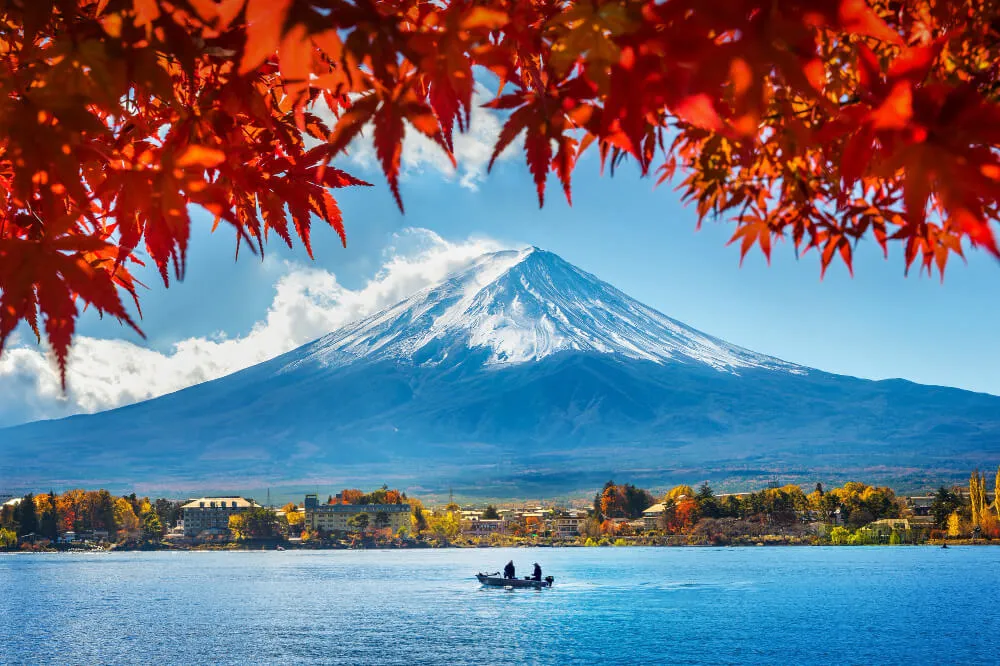
7-Day Tokyo Itinerary: The Perfect Japan Travel Plan for First-Time Visitors
7-Day Tokyo Itinerary: The Perfect Japan Travel Plan for First-Time Visitors
Planning a 7-day Tokyo itinerary gives you enough time to experience the city's famous landmarks, historic temples, vibrant neighborhoods, Japanese cuisine, shopping districts, cultural attractions, and exciting nightlife without feeling rushed.
Tokyo is a city of contrasts where ancient traditions exist alongside futuristic technology and modern architecture. During one week, you can explore Senso-ji Temple, experience Shibuya Crossing, discover Shinjuku and Harajuku, visit Meiji Shrine, explore Akihabara, enjoy Japanese food, and take a memorable day trip outside the city.
Why Spend 7 Days in Tokyo?
Tokyo is enormous, so seven days allows you to explore different neighborhoods at a comfortable pace. Instead of trying to see everything in a few days, you can dedicate each day to a specific part of the city.
- Explore historic temples and shrines
- Experience Shibuya Crossing
- Discover Shinjuku
- Visit Harajuku and Meiji Shrine
- Explore Asakusa and Senso-ji
- Experience Akihabara's pop culture
- Enjoy authentic Japanese cuisine
- Visit Tokyo Skytree
- Explore Japanese gardens and parks
- Take a day trip from Tokyo
Day 1: Arrival in Tokyo and Shinjuku
Start your Tokyo vacation by arriving at one of the city's major airports and traveling to your hotel. Keep your first day relatively relaxed, especially if you have traveled a long distance.
Check Into Your Hotel
After checking in, take some time to rest and become familiar with your neighborhood. If you arrive early, explore nearby cafés, convenience stores, and restaurants.
Evening: Shinjuku
Spend your first evening exploring Shinjuku. The district is famous for its skyscrapers, shopping, restaurants, entertainment, and illuminated streets.
Omoide Yokocho
Explore the narrow lanes of Omoide Yokocho and discover small restaurants and traditional-style food stalls. It is a popular area for experiencing a different side of Tokyo's nightlife.
Shinjuku Nightlife
Walk through the illuminated streets and enjoy the energetic atmosphere before returning to your hotel.
Day 2: Asakusa, Senso-ji and Tokyo Skytree
Day two introduces you to Tokyo's historic side while also giving you the opportunity to enjoy impressive modern city views.
Morning: Senso-ji Temple
Start your day at Senso-ji Temple in Asakusa. Enter through Kaminarimon Gate and walk along Nakamise-dori, where you can browse traditional souvenirs and Japanese snacks.
Explore Asakusa
Spend some time walking through the surrounding streets. Asakusa offers a more traditional atmosphere compared with Tokyo's modern business districts.
Lunch in Asakusa
Try traditional Japanese dishes such as tempura, soba, sushi, or other local specialties at a neighborhood restaurant.
Afternoon: Tokyo Skytree
Continue to Tokyo Skytree for panoramic views of the city. On clear days, the observation decks provide impressive views across the enormous Tokyo metropolitan area.
Evening
Return to central Tokyo and enjoy a relaxed dinner. You can choose a local izakaya, ramen restaurant, sushi restaurant, or another Japanese dining experience.
Day 3: Meiji Shrine, Harajuku and Shibuya
Day three combines Japanese culture, fashion, shopping, and some of Tokyo's most recognizable city scenes.
Morning: Meiji Shrine
Begin your day at Meiji Shrine, located in a peaceful forested area near Harajuku. Take time to walk through the grounds and experience one of Tokyo's most important Shinto sites.
Harajuku
After visiting the shrine, explore Harajuku. The area is known for fashion, youth culture, unique shops, cafés, and colorful streets.
Takeshita Street
Walk through Takeshita Street to experience one of Harajuku's most famous shopping areas. You can find fashion stores, accessories, sweets, cafés, and Japanese pop-culture products.
Afternoon: Shibuya
Continue to Shibuya and experience the famous Shibuya Crossing. Explore the surrounding shopping centers, restaurants, cafés, and entertainment venues.
Shibuya Sky
If you want an elevated view of Tokyo, consider visiting a suitable observation attraction in Shibuya. Sunset can be a particularly memorable time for city views, subject to availability and weather.
Day 4: Imperial Palace, Ginza and Tokyo Station
Use day four to explore central Tokyo and experience a combination of history, architecture, shopping, and food.
Morning: Imperial Palace Area
Start your day around the Imperial Palace area. Explore the surrounding gardens and public spaces while learning more about Japan's imperial history.
Tokyo Station
Visit Tokyo Station and explore the surrounding district. The station area combines historic architecture with modern offices, shopping, restaurants, and transportation connections.
Lunch
Enjoy lunch near Tokyo Station or explore one of the city's many food halls and restaurants.
Afternoon: Ginza
Walk toward Ginza, one of Tokyo's most elegant shopping districts. Explore department stores, luxury brands, cafés, restaurants, galleries, and specialty shops.
Evening: Ginza Dining
End the day with dinner in Ginza. The area offers everything from casual Japanese restaurants to sophisticated dining experiences.
Day 5: Akihabara, Ueno and Traditional Tokyo
Day five is ideal for travelers interested in Japanese pop culture, electronics, museums, parks, and local neighborhoods.
Morning: Akihabara
Explore Akihabara, one of Tokyo's best-known destinations for anime, manga, video games, electronics, collectibles, and Japanese pop culture.
Explore Electronics and Anime Shops
Spend time browsing specialty stores and discovering unique Japanese products. Even travelers who are not interested in anime or gaming can enjoy the area's distinctive atmosphere.
Afternoon: Ueno Park
Continue to Ueno and explore Ueno Park. The area is home to museums, cultural attractions, green spaces, and seasonal scenery.
Ameyoko Market
Visit Ameyoko for a lively market experience. The area features food stalls, shops, clothing, snacks, and everyday Japanese products.
Evening
Enjoy dinner in Ueno or return to another neighborhood for a different dining experience.
Day 6: Tokyo Day Trip
Use your sixth day for a day trip outside central Tokyo. Japan offers several destinations that can be reached from Tokyo, depending on your interests and travel schedule.
Option 1: Hakone
Hakone is a popular destination for hot springs, mountain scenery, traditional experiences, and potential views of Mount Fuji when weather conditions are favorable.
Option 2: Nikko
Nikko is an excellent choice for travelers interested in historic temples, shrines, forests, and mountain scenery.
Option 3: Mount Fuji Area
The Mount Fuji region offers opportunities to enjoy dramatic landscapes, lakes, scenic viewpoints, and traditional Japanese surroundings.
Option 4: Yokohama
Yokohama is another convenient option for travelers who want to experience a different major Japanese city, waterfront areas, shopping, and cultural attractions.
Day 7: Tokyo at Your Own Pace
Keep your final day flexible. Use it to revisit a favorite neighborhood, shop for souvenirs, discover a new café, or visit an attraction you missed earlier in the week.
Morning: Japanese Garden
Spend a quiet morning in a Japanese garden or city park. This can provide a relaxing break after several busy sightseeing days.
Shopping and Souvenirs
Use your final afternoon to purchase Japanese souvenirs such as snacks, crafts, stationery, ceramics, tea products, or other gifts.
Final Japanese Meal
Finish your Tokyo trip with one memorable Japanese meal. Depending on your preferences, you could choose sushi, ramen, tempura, yakitori, or a traditional multi-course dining experience.
Best Areas to Stay in Tokyo
Shinjuku
Shinjuku is one of the most convenient choices for first-time visitors because of its transportation connections, restaurants, shopping, entertainment, and central location.
Shibuya
Shibuya is ideal for travelers who enjoy fashion, nightlife, modern city culture, shopping, and restaurants.
Asakusa
Asakusa offers a more traditional atmosphere and is a good option for travelers interested in temples, historic streets, and Japanese culture.
Ginza
Ginza is suitable for travelers looking for upscale hotels, luxury shopping, fine dining, and a sophisticated atmosphere.
Ueno
Ueno is a practical option for travelers interested in museums, parks, markets, and convenient transportation.
Best Japanese Foods to Try in Tokyo
Food should be an important part of any Tokyo itinerary. The city offers an enormous variety of Japanese cuisine.
- Sushi
- Ramen
- Tempura
- Yakitori
- Soba
- Udon
- Tonkatsu
- Japanese curry
- Okonomiyaki
- Wagashi
How to Get Around Tokyo
Trains and Subways
Tokyo's extensive train and subway systems are the most practical transportation options for most visitors. They connect major neighborhoods and attractions efficiently.
Walking
Walking is one of the best ways to explore individual neighborhoods. You can discover small restaurants, shops, temples, cafés, and quiet streets that you might miss while using transportation.
Taxi
Taxis can be useful for short trips, late-night journeys, or transportation to locations that are less convenient by train.
Best Time to Follow This Tokyo Itinerary
Spring
Spring is popular for cherry blossoms, particularly when parks and gardens are in bloom. Exact blossom timing changes each year.
Summer
Summer brings festivals and lively outdoor events but can also be hot and humid. Plan outdoor sightseeing accordingly.
Autumn
Autumn offers pleasant sightseeing conditions and beautiful seasonal foliage in Tokyo's parks and gardens.
Winter
Winter generally brings cooler weather, seasonal illuminations, and opportunities to enjoy Tokyo's indoor attractions and restaurants.
What to Pack for a 7-Day Tokyo Trip
- Comfortable walking shoes
- Weather-appropriate clothing
- Portable phone charger
- Travel adapter
- Compact umbrella
- Small day bag
- Reusable water bottle
- Light jacket
- Travel documents
- Space for souvenirs
Tokyo Travel Tips for First-Time Visitors
- Plan each day around nearby neighborhoods.
- Use trains and subways for longer journeys.
- Wear comfortable shoes because you may walk extensively.
- Allow extra time when changing trains at major stations.
- Check attraction schedules before visiting.
- Respect etiquette at temples and shrines.
- Keep your voice low on public transportation.
- Try local restaurants outside major tourist areas.
- Keep some cash available for smaller businesses.
- Leave free time for spontaneous discoveries.
Common Mistakes to Avoid in Tokyo
Overloading Your Schedule
Tokyo has countless attractions, but trying to visit too many in one day can make your vacation stressful. Focus on a few areas each day.
Ignoring Transportation Time
Tokyo's rail network is efficient, but the city is enormous. Include realistic travel time between attractions.
Only Visiting Tourist Attractions
Major landmarks are important, but neighborhood restaurants, local shopping streets, parks, and smaller temples can provide some of the most memorable experiences.
Skipping Japanese Food
Tokyo is one of the world's great food destinations. Try a variety of Japanese dishes rather than relying only on familiar international cuisine.
How to Make the Most of Your Tokyo Vacation
The best way to enjoy Tokyo is to combine sightseeing with everyday experiences. Visit major landmarks early in the day, explore neighborhoods on foot, stop at local cafés, try different Japanese dishes, and leave some time for unexpected discoveries.
Organizing your itinerary by neighborhood also reduces unnecessary travel. For example, combine Asakusa and Tokyo Skytree on one day, while Shibuya and Harajuku can easily be explored together.
Do not be afraid to slow down. Tokyo can be overwhelming at first, but taking time to enjoy a quiet garden, a traditional restaurant, or a small neighborhood street can make your trip more enjoyable.
How Much Does a 7-Day Tokyo Trip Cost?
The cost of a Tokyo vacation depends on your accommodation, dining preferences, transportation, shopping, attractions, and travel season.
Budget Travelers
Budget travelers can reduce costs by staying in affordable accommodations, using public transportation, eating at casual restaurants, and choosing free or low-cost attractions.
Mid-Range Travelers
Mid-range travelers can combine comfortable hotels, restaurants, paid attractions, shopping, and occasional taxis while maintaining a balanced budget.
Luxury Travelers
Luxury travelers can enjoy premium hotels, fine dining, private experiences, high-end shopping, and upgraded transportation options.
Final Thoughts
A seven-day Tokyo itinerary provides a wonderful introduction to one of the world's most fascinating cities. You can experience ancient temples, modern skyscrapers, traditional Japanese cuisine, vibrant shopping districts, peaceful parks, and exciting neighborhoods within a single week.
From Shinjuku and Shibuya to Asakusa, Harajuku, Ginza, Ueno, and Akihabara, each part of Tokyo offers a different experience. Adding a day trip to Hakone, Nikko, Mount Fuji, or Yokohama can make your Japan vacation even more memorable.
The key is to avoid rushing. Organize your days by location, use Tokyo's excellent public transportation system, try local food, respect Japanese customs, and leave room for spontaneous discoveries.
Frequently Asked Questions
Is 7 days enough for Tokyo?
Yes. Seven days gives first-time visitors enough time to explore major attractions, different neighborhoods, Japanese food, shopping areas, cultural sites, and a possible day trip.
What should I do in Tokyo for 7 days?
A seven-day trip can include Shinjuku, Asakusa, Senso-ji Temple, Tokyo Skytree, Meiji Shrine, Harajuku, Shibuya, Ginza, Akihabara, Ueno, and a day trip outside Tokyo.
What is the best area to stay in Tokyo?
Shinjuku and Shibuya are excellent for first-time visitors, Asakusa is ideal for traditional experiences, Ginza suits luxury travelers, and Ueno is convenient for museums and transportation.
What food should I try in Tokyo?
Try sushi, ramen, tempura, yakitori, soba, udon, tonkatsu, Japanese curry, and traditional Japanese sweets.
What are the best day trips from Tokyo?
Popular day-trip choices include Hakone, Nikko, the Mount Fuji area, and Yokohama. The best choice depends on your interests, weather, and transportation schedule.
What is the best way to travel around Tokyo?
Trains and subways are generally the most convenient options for visitors. Walking is also excellent for exploring individual neighborhoods.
Written by Storytelling Voyager
Travel writer and storyteller passionate about unearthing authentic experiences around the world.
More Destinations
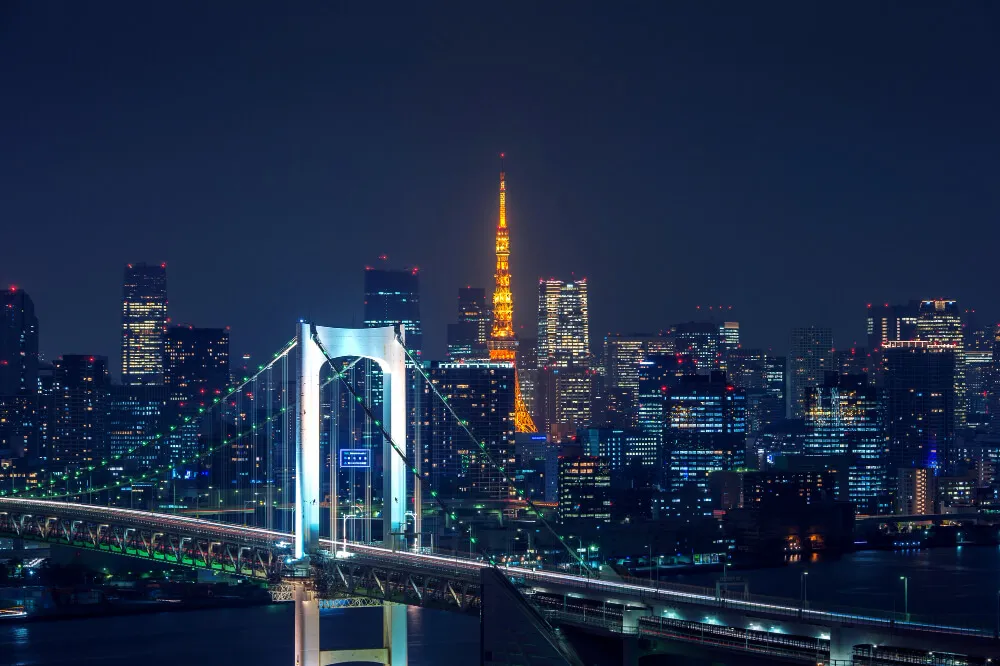
Tokyo Travel Guide: Best Places to Visit, Things to Do & Travel Tips
Explore Tokyo with this complete travel guide covering the best places to visit, top attractions, traditional temples, vibrant neighborhoods, Japanese food, shopping, day trips, transportation, and practical travel tips.
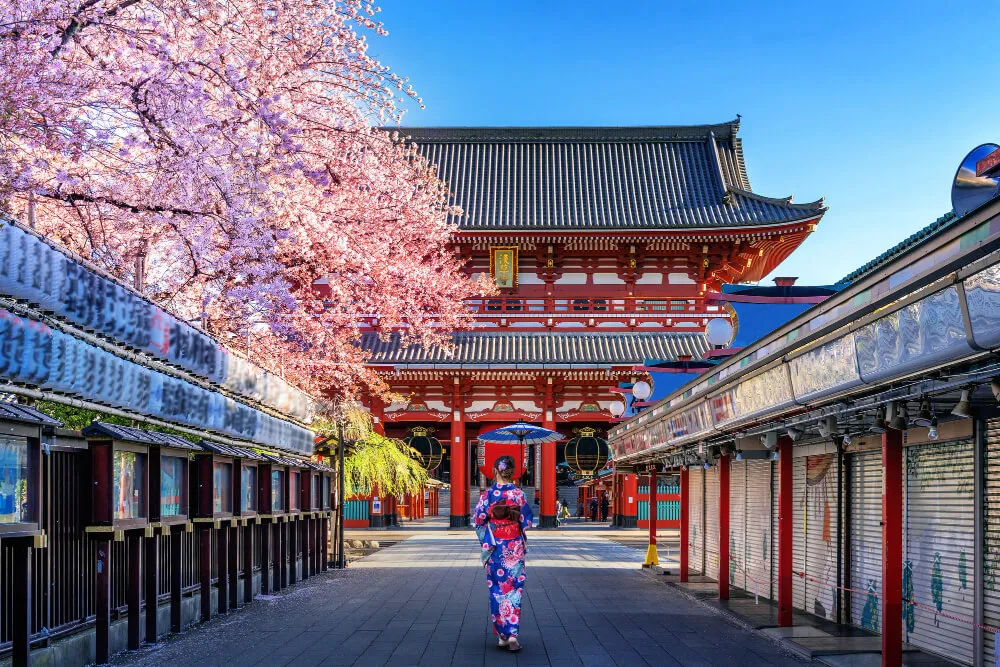
Tokyo Travel Tips: How to Plan the Perfect Japan Vacation
Discover essential Tokyo travel tips for first-time visitors, including the best areas to stay, transportation, Japanese food, cultural etiquette, shopping, budgeting, day trips, packing advice, and practical planning tips.
7-Day Dubai Itinerary: The Perfect UAE Travel Plan for First-Time Visitors
Plan the perfect 7-day Dubai itinerary with Burj Khalifa, Dubai Mall, Old Dubai, Palm Jumeirah, Dubai Marina, beaches, desert safari, traditional souks, local food, and practical travel tips.