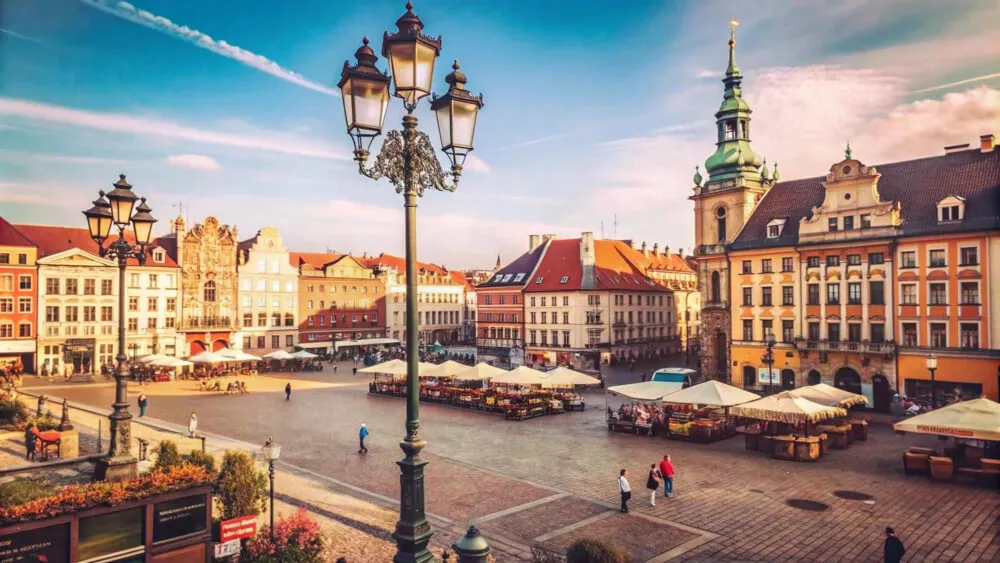
Europe Travel Guide: Best Places to Visit, Things to Do & Essential Travel Tips
Europe Travel Guide: Best Places to Visit, Things to Do & Essential Travel Tips
Europe is one of the world's most diverse travel destinations, offering centuries of history, iconic landmarks, beautiful beaches, charming villages, dramatic mountains, vibrant cities, and unforgettable culinary experiences. From the romantic streets of Paris and the ancient ruins of Rome to the Mediterranean islands of Greece and the scenic landscapes of Switzerland, Europe offers something for every kind of traveler.
Whether you're planning your first European vacation, a romantic getaway, a family holiday, or a multi-country adventure, this Europe travel guide will help you discover some of the best places to visit, things to do, travel tips, and itinerary ideas for an unforgettable trip.
Why Visit Europe?
Europe brings together a remarkable variety of countries, cultures, languages, landscapes, and traditions. Travelers can experience completely different environments within a single trip, from historic capital cities and medieval towns to tropical Mediterranean coastlines and snow-covered mountain resorts.
Some of the biggest reasons to visit Europe include:
- Rich history and culture
- World-famous landmarks
- Beautiful beaches and islands
- Historic cities and villages
- Exceptional food and local cuisine
- Mountain and outdoor adventures
- World-class museums and galleries
- Romantic destinations
- Family-friendly attractions
- Excellent transportation connections
Best Places to Visit in Europe
1. Paris, France
Paris is one of Europe's most iconic destinations and remains a favorite for first-time visitors. The city combines historic architecture, famous museums, beautiful gardens, cafés, shopping streets, and romantic riverside views.
Popular places to explore include the Eiffel Tower, Louvre Museum, Montmartre, Arc de Triomphe, Champs-Élysées, Seine River, and Luxembourg Gardens.
Paris is an excellent destination for couples, art lovers, food enthusiasts, and travelers interested in European history and culture.
2. Rome, Italy
Rome offers an extraordinary combination of ancient history, impressive architecture, Italian cuisine, lively piazzas, and modern city life.
Travelers can explore the Colosseum, Roman Forum, Pantheon, Trevi Fountain, Vatican Museums, St. Peter's Basilica, and Piazza Navona.
Rome is particularly appealing to travelers who want to experience history, culture, architecture, and food during the same vacation.
3. Barcelona, Spain
Barcelona combines Mediterranean beaches with remarkable architecture, art, food, and lively neighborhoods. The city is especially famous for the work of Antoni Gaudí.
Popular attractions include Sagrada Família, Park Güell, Gothic Quarter, La Rambla, Barceloneta, Casa Batlló, and Casa Milà.
Barcelona is an excellent choice for travelers who want to combine sightseeing with a relaxing beach vacation.
4. Amsterdam, Netherlands
Amsterdam is famous for its canals, historic buildings, museums, cycling culture, and distinctive neighborhoods.
Visitors can explore the canal district, Rijksmuseum, Van Gogh Museum, Vondelpark, Dam Square, and other historic areas.
A canal cruise is also a popular way to experience the city's architecture and waterways.
5. London, United Kingdom
London is one of Europe's most diverse cities, offering historic landmarks, royal attractions, museums, shopping, theater, restaurants, and entertainment.
Popular attractions include Buckingham Palace, Tower of London, Tower Bridge, Westminster Abbey, Big Ben, the British Museum, and the London Eye.
London is a particularly convenient choice for first-time European travelers who want a wide variety of attractions in one destination.
6. Santorini, Greece
Santorini is one of Europe's most recognizable island destinations. The island is famous for its whitewashed buildings, blue-domed churches, volcanic landscapes, dramatic cliffs, and spectacular sunsets.
Santorini is especially popular with couples, honeymooners, photographers, and travelers looking for a scenic Mediterranean escape.
7. Switzerland
Switzerland is an excellent destination for travelers who love mountains, lakes, scenic train journeys, hiking, skiing, and beautiful alpine scenery.
Popular destinations include Zurich, Geneva, Lucerne, Interlaken, and the Swiss Alps.
Visitors can enjoy mountain excursions, scenic rail journeys, winter sports, hiking trails, and lakeside towns.
8. Prague, Czech Republic
Prague is known for its medieval architecture, historic streets, beautiful bridges, churches, and atmospheric old town.
Popular attractions include Prague Castle, Charles Bridge, Old Town Square, the Astronomical Clock, and St. Vitus Cathedral.
Prague is a great option for travelers interested in history, architecture, culture, and traditional European atmosphere.
9. Lisbon, Portugal
Lisbon combines historic neighborhoods, colorful architecture, viewpoints, traditional cuisine, and easy access to nearby coastal destinations.
Travelers can explore Alfama, Belém, Praça do Comércio, São Jorge Castle, and the city's many scenic viewpoints.
Lisbon can also be combined with nearby destinations such as Sintra and Cascais.
10. Vienna, Austria
Vienna is known for imperial architecture, classical music, museums, elegant streets, historic palaces, and traditional cafés.
Visitors can explore the city's cultural attractions, historic buildings, museums, parks, and famous coffeehouse culture.
Vienna is particularly attractive for travelers interested in history, music, architecture, and European culture.
Best European Destinations for Couples
Europe is filled with romantic destinations that are ideal for honeymoons, anniversaries, proposals, and couples' vacations.
- Paris, France
- Santorini, Greece
- Venice, Italy
- Florence, Italy
- Prague, Czech Republic
- Vienna, Austria
- Amalfi Coast, Italy
- Lisbon, Portugal
Couples can enjoy romantic dinners, scenic walks, historic architecture, coastal views, sunset experiences, and intimate cafés throughout Europe.
Best European Destinations for Families
Europe can be an excellent destination for family vacations, with attractions ranging from museums and castles to beaches, parks, interactive experiences, and cultural landmarks.
Popular family-friendly destinations include:
- London
- Paris
- Rome
- Barcelona
- Amsterdam
- Copenhagen
- Vienna
- Lisbon
When traveling with children, choose accommodation close to major attractions and avoid filling every day with too many activities.
Best European Beach Destinations
Europe has a wide variety of beach destinations, from Mediterranean islands to dramatic Atlantic coastlines.
Greek Islands
Greece offers beautiful islands with clear waters, traditional villages, beaches, and Mediterranean cuisine. Santorini, Crete, Rhodes, and other Greek islands can provide very different vacation experiences.
Algarve, Portugal
The Algarve is known for sandy beaches, dramatic cliffs, coastal towns, and beautiful ocean scenery. It is a popular destination for travelers looking for a relaxing European beach vacation.
Amalfi Coast, Italy
The Amalfi Coast combines dramatic cliffs, colorful coastal villages, Mediterranean landscapes, and beautiful sea views.
Spain
Spain offers numerous beach destinations across its mainland and islands. Mallorca, Ibiza, the Canary Islands, and Costa del Sol are popular choices for different types of travelers.
Croatia
Croatia offers an attractive combination of Adriatic coastline, historic towns, islands, clear waters, and scenic coastal landscapes.
Best European Destinations for History Lovers
Europe is an ideal destination for travelers interested in ancient civilizations, medieval history, royal families, architecture, wars, art, and cultural heritage.
Some of the best destinations for history lovers include:
- Rome, Italy
- Athens, Greece
- Paris, France
- London, United Kingdom
- Prague, Czech Republic
- Vienna, Austria
- Budapest, Hungary
- Berlin, Germany
- Florence, Italy
Best European Destinations for Food
Food is one of the highlights of traveling around Europe. Every country has its own culinary traditions, regional specialties, ingredients, and dining culture.
Italy
Italy is famous for pasta, pizza, risotto, gelato, regional cheeses, seafood, and many other local dishes.
France
French cuisine includes breads, pastries, cheeses, regional dishes, desserts, and classic culinary traditions.
Spain
Spain is known for tapas, paella, seafood, cured meats, regional dishes, and lively food markets.
Greece
Greek cuisine features Mediterranean ingredients, grilled seafood, salads, vegetables, cheeses, and traditional dishes.
Portugal
Portugal offers seafood, pastries, grilled dishes, traditional specialties, and regional cuisine influenced by its coastal location.
Best Time to Visit Europe
Europe can be visited throughout the year, but the best time depends on your destination, budget, preferred weather, and activities.
Spring in Europe
Spring is a popular season for sightseeing and city breaks. Many destinations offer comfortable conditions for walking and outdoor exploration, while gardens and parks become especially attractive.
Spring can also be a useful option for travelers who want to avoid some of the busiest summer travel periods.
Summer in Europe
Summer is one of Europe's busiest travel seasons. It is especially popular for beach vacations, family holidays, island trips, and outdoor activities.
However, popular destinations can become crowded during peak summer months, and accommodation prices may increase.
Autumn in Europe
Autumn can be an excellent season for European city trips. Travelers can enjoy changing scenery, seasonal food, cultural attractions, and potentially fewer visitors outside major holiday periods.
Winter in Europe
Winter is ideal for travelers interested in Christmas markets, festive city breaks, skiing, snow-covered landscapes, and winter experiences.
Popular winter destinations include Austria, Switzerland, Germany, France, the Czech Republic, Norway, and Finland.
How Long Should You Spend in Europe?
The ideal length of a Europe trip depends on how many destinations you want to visit and how relaxed you want your itinerary to be.
5–7 Days in Europe
For a short vacation, choose one major city or one region rather than trying to visit multiple countries.
Good choices include Paris, Rome, London, Barcelona, or Lisbon.
10–14 Days in Europe
A two-week vacation allows travelers to combine several destinations without moving every day.
Possible combinations include:
- Paris and Amsterdam
- Rome, Florence, and Venice
- Barcelona and Madrid
- London and Paris
- Vienna, Prague, and Budapest
Three Weeks or More
A longer vacation gives you more flexibility to explore multiple countries and spend several nights in each destination.
You could combine France, Switzerland, Italy, Austria, and Germany or create a Mediterranean itinerary involving Spain, France, Italy, and Greece.
Sample 10-Day Europe Itinerary
Days 1–3: Paris
Explore Paris's famous landmarks, museums, historic neighborhoods, gardens, cafés, and scenic areas along the Seine.
Days 4–5: Amsterdam
Travel to Amsterdam and explore its canals, museums, historic streets, parks, and distinctive neighborhoods.
Days 6–8: Rome
Continue to Rome and discover its ancient landmarks, historic center, museums, piazzas, and Italian food.
Days 9–10: Florence
Finish your trip in Florence with art, architecture, historic streets, museums, and traditional Italian cuisine.
This is only a sample itinerary. Travelers who prefer a slower pace should consider spending more time in fewer destinations.
How to Travel Around Europe
Traveling by Train
Train travel can be one of the most convenient ways to travel between major European cities. High-speed services connect many popular destinations, while scenic rail routes can make transportation part of the travel experience.
Traveling by Air
Flights can be useful when traveling between destinations that are far apart or when you want to maximize sightseeing time.
Traveling by Bus
Long-distance buses can sometimes provide budget-friendly transportation between European cities.
Renting a Car
A rental car can be useful when exploring rural regions, coastal areas, mountain destinations, and smaller towns where public transportation may be limited.
However, a car may not be necessary in large cities where public transportation is widely available.
Essential Europe Travel Tips
Plan Your Route Carefully
Avoid trying to visit too many countries during a short vacation. Europe may look compact on a map, but transportation between destinations still takes time.
Allow Time for Transportation
Remember to include airport transfers, train journeys, hotel check-in, and local transportation when planning your itinerary.
Book Popular Attractions in Advance
Some famous museums, landmarks, tours, and attractions can become busy during peak travel periods. Check official booking information before your trip.
Use Public Transportation
Many European cities have excellent metro, tram, bus, and rail networks. Using public transportation can make city travel easier and help control your travel budget.
Wear Comfortable Shoes
Many European vacations involve significant walking. Comfortable shoes are essential, especially when exploring historic city centers and cobblestone streets.
Keep Important Documents Secure
Keep your passport, travel documents, payment cards, and other important belongings secure throughout your trip.
Respect Local Customs
Europe includes many different cultures, languages, and traditions. Learn basic local etiquette and customs before visiting each country.
Europe Travel Budget
The cost of a European vacation varies significantly depending on the destination, season, accommodation, transportation, dining choices, and activities.
Major Western European capitals and popular resort destinations can be expensive, while some Central and Eastern European destinations can offer more budget-friendly options.
To manage your Europe travel budget:
- Compare accommodation options before booking.
- Travel outside peak periods when possible.
- Use public transportation.
- Eat at a combination of local restaurants and casual establishments.
- Book major transportation in advance when appropriate.
- Combine paid attractions with free sightseeing.
- Consider accommodation outside the most expensive tourist areas.
Europe for First-Time Travelers
If you're visiting Europe for the first time, consider choosing destinations with a wide range of attractions and convenient transportation.
Popular choices include London, Paris, Rome, Barcelona, Amsterdam, and Lisbon.
Instead of trying to see the entire continent during one trip, choose two or three destinations and give yourself enough time to experience each one.
Common Europe Travel Mistakes to Avoid
Trying to Visit Too Many Countries
Traveling through too many destinations can leave you exhausted and give you very little time to experience each place.
Ignoring Travel Time
Transportation involves more than the journey itself. Airport transfers, station travel, hotel check-in, and waiting time should all be considered.
Overplanning Every Day
Leave some free time in your itinerary. Spontaneous discoveries, relaxing meals, and exploring local neighborhoods can become some of the best memories of your trip.
Only Visiting Tourist Areas
Major attractions are worth experiencing, but exploring local neighborhoods can provide a deeper understanding of the destination.
Forgetting Travel Requirements
Before traveling, check the current passport, visa, entry, insurance, and other travel requirements for every country included in your itinerary.
Sustainable Travel in Europe
Travelers can reduce their environmental impact by using trains and public transportation when practical, staying longer in fewer destinations, supporting local businesses, and respecting cultural and natural sites.
When visiting beaches, mountains, historic sites, national parks, or protected areas, follow local regulations and avoid damaging the environment.
Europe Travel Tips for a Better Vacation
A successful European vacation is not only about visiting famous landmarks. Give yourself time to enjoy local food, walk through historic neighborhoods, experience local culture, and discover places beyond the main tourist attractions.
For a first trip, focus on a small number of destinations. For repeat visitors, consider exploring smaller cities, countryside destinations, coastal areas, or regions you have not experienced before.
Final Thoughts
Europe offers an extraordinary variety of travel experiences. You can explore ancient history in Rome, admire art in Paris, relax on Greek beaches, discover canals in Amsterdam, hike through the Swiss Alps, enjoy Spanish cuisine, or explore historic streets in Prague.
The key to planning a successful Europe vacation is choosing destinations that match your interests, budget, and travel style while allowing enough time to enjoy each place.
Whether you're planning a short European city break, a romantic honeymoon, a family vacation, or a multi-country adventure, Europe offers countless opportunities to create unforgettable travel memories.
Frequently Asked Questions
What are the best places to visit in Europe?
Popular European destinations include Paris, Rome, Barcelona, London, Amsterdam, Lisbon, Santorini, Prague, Vienna, and Switzerland.
What is the best country to visit in Europe?
There is no single best country for every traveler. Italy is excellent for history and food, France for culture and cities, Greece for beaches, Switzerland for mountains, Spain for food and beaches, and Portugal for coastal scenery and city breaks.
How many days are enough for a Europe trip?
A week can work well for one destination, while 10–14 days allows travelers to combine several cities. Longer trips provide more time to explore multiple countries at a comfortable pace.
What is the best time to visit Europe?
Spring and autumn can be excellent for sightseeing, summer is popular for beaches and family vacations, and winter is ideal for Christmas markets, festive trips, and skiing destinations.
Is Europe expensive to visit?
Travel costs vary considerably by country and city. Some major Western European destinations can be expensive, while Central and Eastern European destinations may offer more budget-friendly options.
Is Europe good for families?
Yes. Europe offers museums, castles, beaches, parks, cultural attractions, historic landmarks, and many family-friendly experiences.
What is the best way to travel around Europe?
Trains are often convenient for major city-to-city journeys. Flights can be useful for longer distances, while rental cars are practical for certain rural and scenic routes.
Should I visit one country or multiple countries in Europe?
For a short vacation, focusing on one country or region can provide a more relaxed experience. Travelers with two or three weeks can comfortably combine several destinations if they plan transportation carefully.
Written by Storytelling Voyager
Travel writer and storyteller passionate about unearthing authentic experiences around the world.
More Destinations
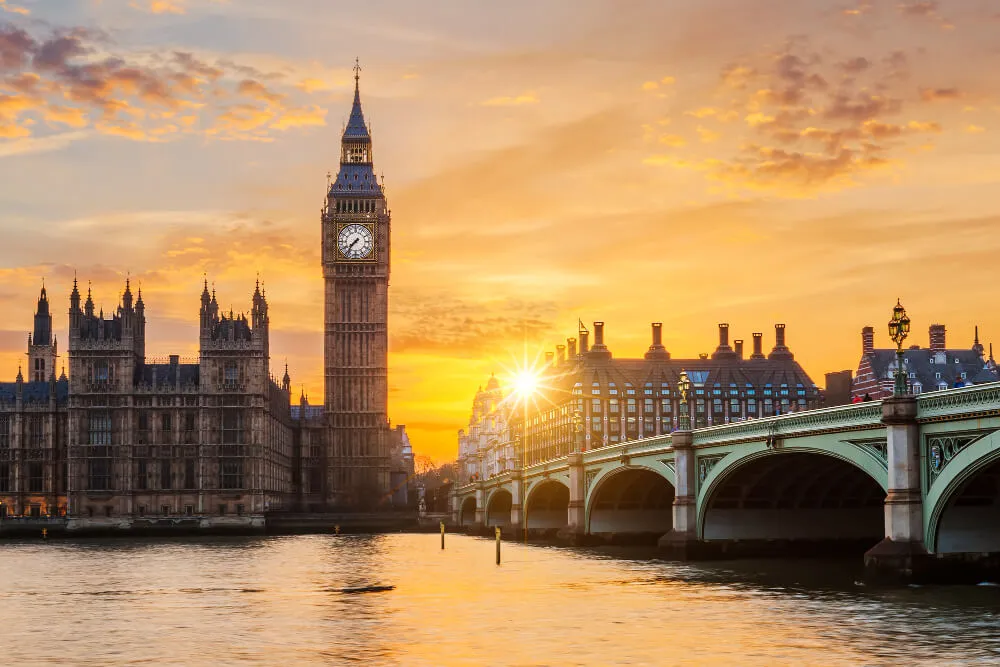
Best Time to Visit Europe: A Seasonal Guide for Your Perfect European Vacation
Discover the best time to visit Europe for sightseeing, beach vacations, family trips, romantic getaways, budget travel, Christmas markets, skiing, and seasonal experiences across the continent.
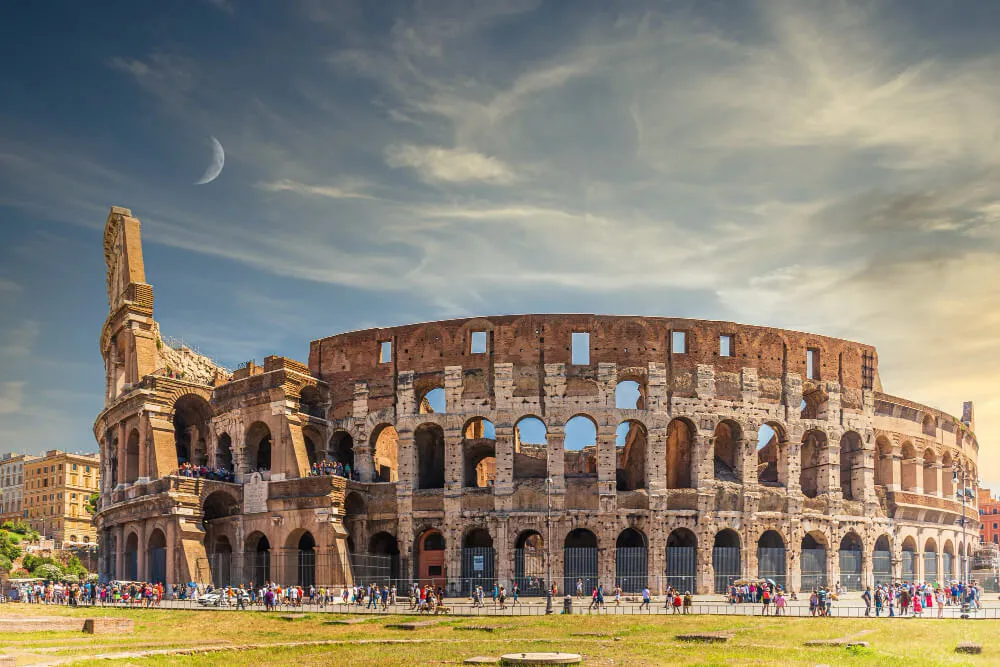
Best Things to Do in Europe: Top Experiences for an Unforgettable Vacation
Discover the best things to do in Europe, from exploring historic cities and world-famous landmarks to relaxing on Mediterranean beaches, tasting local cuisine, enjoying scenic train journeys, discovering charming villages, and experiencing Europe's mountains, museums, castles, and romantic destinations.

Best Time to Visit The Bahamas: Weather, Seasons, Prices & Travel Tips
Planning a Bahamas vacation? Discover the best time to visit The Bahamas based on weather, prices, crowds and activities, plus monthly travel tips and hurricane-season information.